Steel Grit
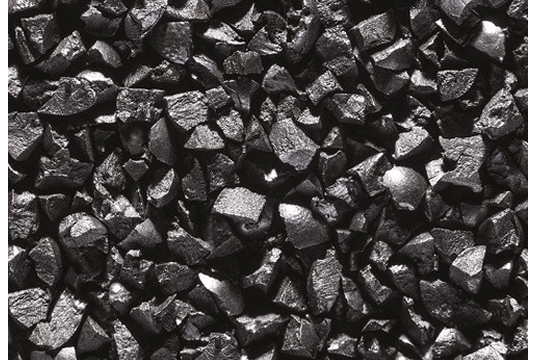
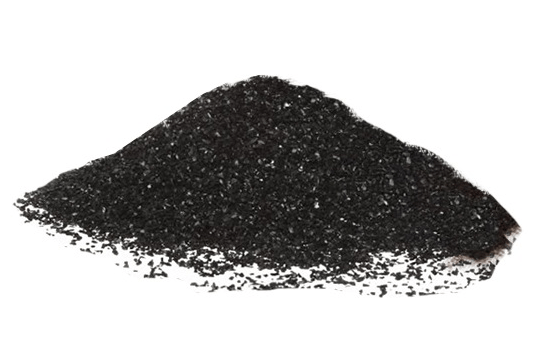
Steel Grit
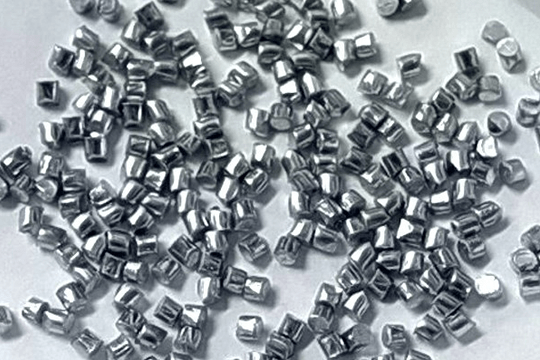
Steel Grit represents a sophisticated high-carbon steel abrasive material, meticulously engineered through advanced metallurgical processes. Manufactured by combining carbon, manganese, and silica with steel manufacturing waste materials—including pipes, profiles, sheets, and scrap—this premium abrasive is produced through precision induction furnace melting at temperatures between 1600-1650°C.
Following atomization and water cooling, the material undergoes controlled annealing and rapid quenching to develop a martensitic structure with exceptional hardness characteristics around 63 HRC. This advanced production methodology enables precise hardness control ranging from 40 to 63 HRC, optimizing performance for diverse industrial sandblasting applications.
Manufacturing Process
Advanced metallurgical techniques for superior abrasive performance
Raw Material Composition
Steel Grit production utilizes high-quality steel manufacturing waste materials combined with precisely controlled additions of carbon, manganese, and silica. This sustainable approach transforms industrial scrap—including pipes, profiles, sheets, and miscellaneous steel waste—into premium abrasive media through advanced recycling and refinement processes.
Induction Melting
The carefully selected raw materials undergo precision melting in induction furnaces at extreme temperatures between 1600-1650°C. This high-temperature processing ensures complete homogenization of alloying elements and creates a uniform molten steel composition essential for consistent abrasive performance characteristics.
Atomization & Cooling
Following complete melting, the molten steel is atomized into fine particles and rapidly cooled in water. This controlled solidification process creates the desired particle size distribution and initial microstructure, establishing the foundation for subsequent heat treatment operations that develop the material's final properties.
Martensitic Structure Development
Cast particles are carefully annealed in specialized furnaces to predetermined temperatures, then rapidly quenched in water. This critical thermal treatment creates a martensitic crystal structure with exceptional hardness around 63 HRC. Subsequent tempering processes enable precise hardness adjustment between 40-63 HRC to match specific application requirements.
Critical Performance Factors
Understanding hardness requirements for optimal sandblasting efficiency
Industrial Applications
Serving diverse sectors with premium abrasive solutions